

By: Audry Pallas
As schools across the country grapple with policy creation around AI integration, a perspective that can be often overlooked in the conversation is our students’. As we create AI policies and procedures, there arises an opportunity to more actively engage with our students’ perspectives and insights. If students are not invited into being a part of the process, it limits the effectiveness of our initiatives but also misses an important opportunity to prepare students for a future where AI will be ubiquitous.
Student responses to AI in education span a broad spectrum. Some students express genuine excitement about AI’s potential, while others have real concerns about their peers becoming overly dependent on AI tools or worry about the impact on their future opportunities. Student’s mixed feelings might come from a lack of clarity about AI’s potential role in education. Students receive conflicting messages: they’re told AI is a powerful tool for learning, yet they see headlines about AI replacing human jobs and capabilities. This creates uncertainty about how much they should embrace AI integration when completing their work.
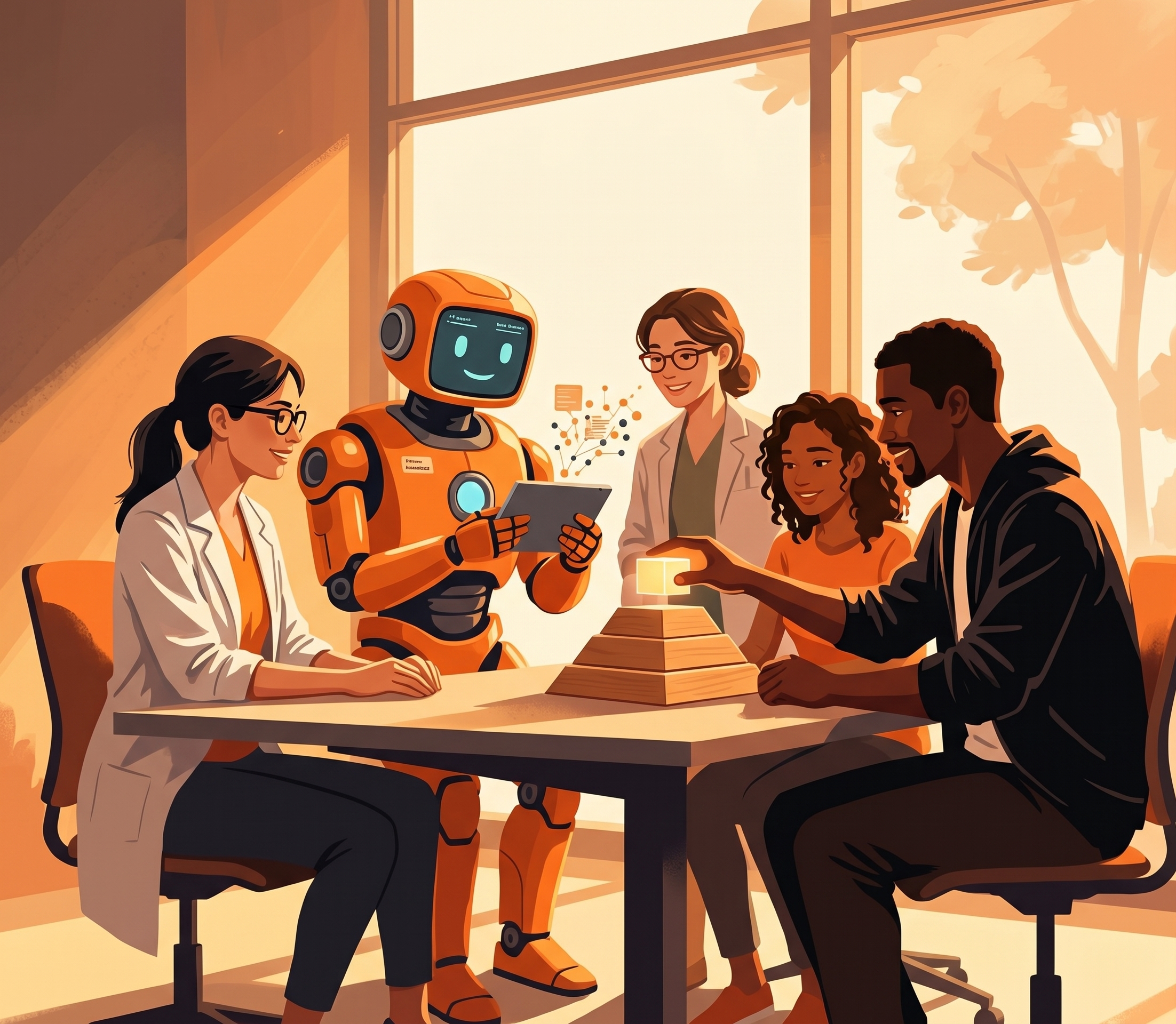
Understanding these student perspectives is crucial as schools develop their approach to AI integration. Successful AI integration requires a coordinated approach that meaningfully incorporates student voices throughout the process. Schools can establish student innovation councils where learners actively propose and develop ideas for AI integration, moving beyond basic feedback to genuine collaboration. These councils can research tools from a student perspective and propose creative applications across different subjects, while helping design guidelines based on real student experiences.
Before we can expect meaningful student engagement with AI, teachers need to feel confident in their own understanding of the technology. Professional development should focus not just on technical skills but on equipping teachers with the language and frameworks needed to discuss AI with students. Teachers who have hands-on experience with AI tools can better model responsible use and engage in meaningful discussions about AI’s strengths and limitations. This includes understanding common AI applications in their subject areas and being prepared to address student questions about appropriate use.
In addition to clear policies, students need to be taught AI literacy. Students need guidance on the difference between using AI as a learning aid and becoming dependent on it for completing tasks. This includes understanding when AI use is appropriate and when it might hinder learning objectives. Schools can help by creating clear guidelines that outline appropriate AI use across different subjects and assignments. The ethical dimensions of AI use in education extend beyond simple questions of cheating versus assistance. Students need to understand AI’s limitations, including potential biases and the importance of fact-checking AI-generated information. These discussions should be integrated into regular coursework, helping students develop a deep understanding of AI as both a tool and a technology that requires critical evaluation.
To gather broader input, schools should create regular opportunities for student engagement through structured feedback systems. This might include monthly discussions between students and administrators or class appointed representatives who can voice subject-specific AI integration ideas. Student-led initiatives, such as peer teaching sessions and cross-grade mentoring programs, can help demonstrate innovative ways to use AI as a learning enhancement tool. Schools should adopt an inclusive approach that begins with student consultation and continues through implementation. This process should include gathering initial input, having student representatives review policy drafts, and maintaining regular feedback channels to assess effectiveness. Schools must clearly communicate their AI policies and reasoning, including how AI tools will be used in different subjects and what determines appropriate use.
The integration of AI in education represents more than just a shift based on new technology, it’s an opportunity to reshape how we approach teaching and learning. By including students in this shift, schools can create more effective and equitable AI integration strategies while preparing students for a future where AI literacy is paramount. Our students’ voices and ideas are essential in creating an educational environment where AI serves as a catalyst for innovation.



Leave a Reply