

Have you ever looked up a student you used to have, just to make sure they’re OK as grown-ups? I had an old student on my mind this week, and I’m happy to say he seems to be thriving. He was a difficult child; someone who spent a significant amount of time outside the classroom because oftentimes he was such a pain in it. As a principal, I ended up spending a lot of time with him. I wouldn’t say my office was a place he wanted to be, but we got to know each other pretty well and enjoyed each other’s company. This child, let’s call him Rich, was an angry kid who would rather be kicked out than be seen as less than, and he definitely had some learning difficulties due to dyslexia, ADHD, and missed time in class. Rich worked pretty well one-on-one, and his teachers gave him an incredible amount of extra time, but he was not well liked, and he gave people lots of reasons for that.
I’ve been thinking a lot about the stories we tell ourselves about ourselves. In our stories, we’re generally the hero – so whatever happens, we contrive the story so that we act in noble ways. So in school, in a place where Rich was so unsuccessful, what was the story he had to tell himself about himself in order to survive, let alone thrive? Was he battling adults who imposed rules arbitrarily and unfairly? Was he a lost child, like a misunderstood and misjudged Percy Jackson, who would someday be seen as the demigod he was? Then the opposite thought occurred to me: If Rich was the antagonist or villain in the story, could he start seeing himself in that way? Does anyone, even a villain, see themselves as that or do they rely on their backstory to explain away their dastardly acts? I see you Joker. The possibility that a child, in this case Rich, could adopt a story where he was the bad guy is horrifying, and yet, if you hear the story enough, is that what makes a villain?
Rich did love his dog and football. He could talk about those two subjects forever, and I learned more about the greatest football players that year than any other. I also mourned with him, on one of his worst days in classes, the day his dog died. He hadn’t told anyone with words, but boy did he scream it with his actions. Back in those days, to have asked his teachers to engage with him by using his interests and hobbies may have been a tall task. He was already reading below grade level, and to find ways to include his interests could have taken hours and time away from other students who weren’t such a handful to begin with.
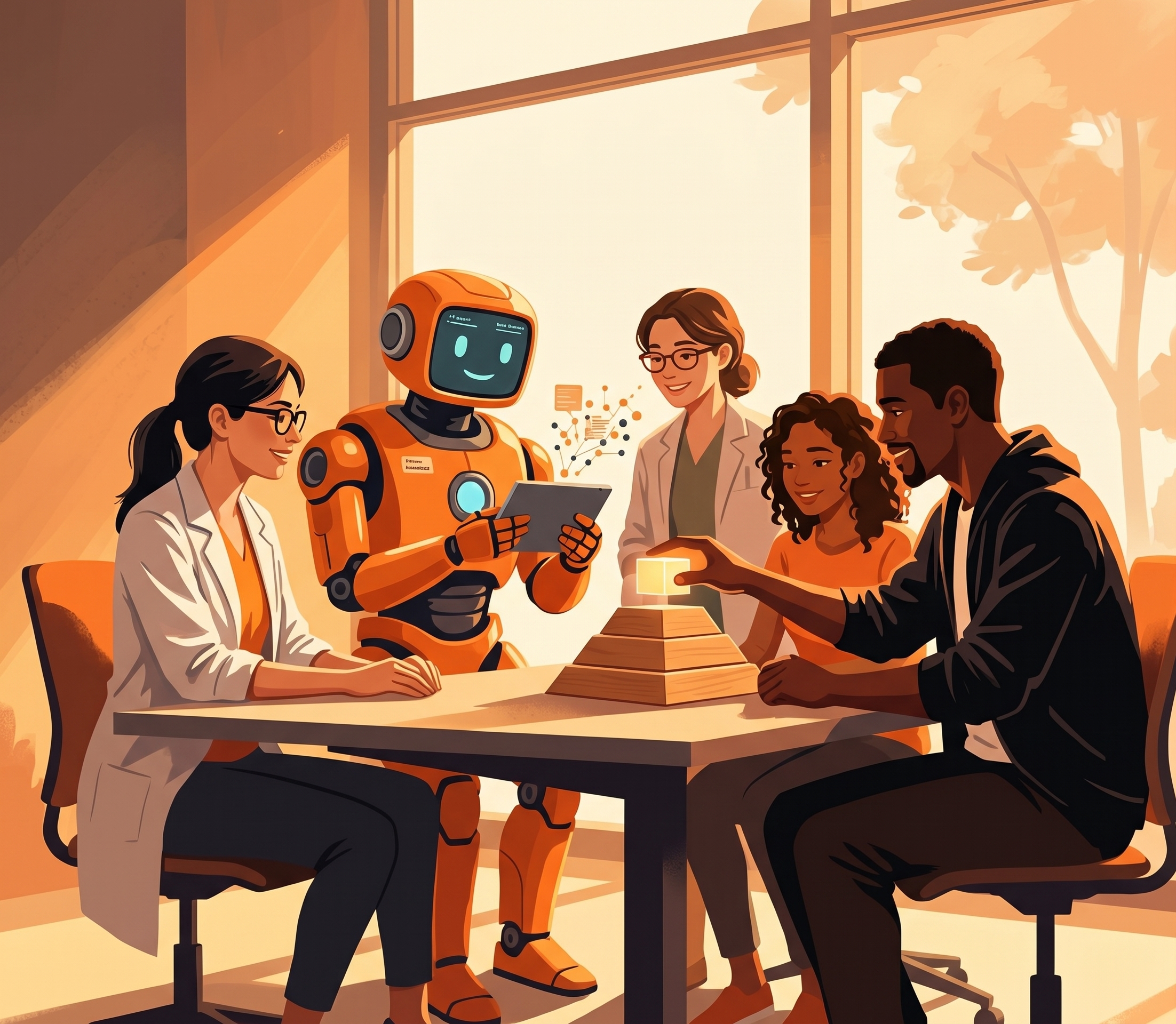
Rich’s story underscores a pivotal question: How can we better support students who don’t fit or don’t seem to want to fit? Can we rewrite the story? Today, with AI, this could be a five minute daily task. Rich could have learned math with football analogies and word problems generated based on his readiness, interests, and learning profile. His content readings could have been adjusted to his reading level so he didn’t feel less than, and he could have made videos with an AI dog actor to share his learnings…maybe that’s going too far. Rich would still need to learn how to self-regulate and how to be a good collaborator. But wouldn’t those seem so much easier to tackle when the content could be adjusted to him? If his story, his interests, his level, was in his learning.
What new stories can we create with the tools already available? If you’re wondering how AI tools might help the Richs in your school, join us at UnconstrainED.



Leave a Reply