

Every teacher begins their journey with the sincere intention of reaching every student in their classroom. Those first years are a montage of hope and frustration, of late nights planning and moments of both triumph and doubt. I spent many nights staring at the ceiling, wondering how to connect with that student in the back row – the one with the pulled-up hoodie and bored expression. Those students brought me to tears of frustration in my early years, not because of their behavior, but because I felt I was failing them somehow.
Eventually, I’d find a hook – usually through discovering what they cared about outside of class. Maybe it was skateboarding, or manga, or their family’s cultural traditions. These breakthrough moments became more frequent as I built my teaching toolkit, deepened my content knowledge, and learned that temporary setbacks weren’t permanent failures.
I recently worked with a cohort of apprentice teachers who are at the beginning of this journey, and it reminded me of how fraught it all felt at the beginning. Their experience will be different from mine – they’ll spend four years observing and gradually taking on teaching responsibilities under the guidance of mentor teachers before leading their own classrooms. It’s a far cry from my crash course of one semester of student teaching before being handed the keys to my own classroom. This apprenticeship model seems infinitely more humane and effective.
However, with the current teacher shortage crisis gripping schools, this kind of extensive mentorship program isn’t feasible for many districts. So, what about the thousands of new teachers we’re still sending into classrooms with minimal support? How do we prevent them from becoming another statistic in the alarming teacher turnover rates?
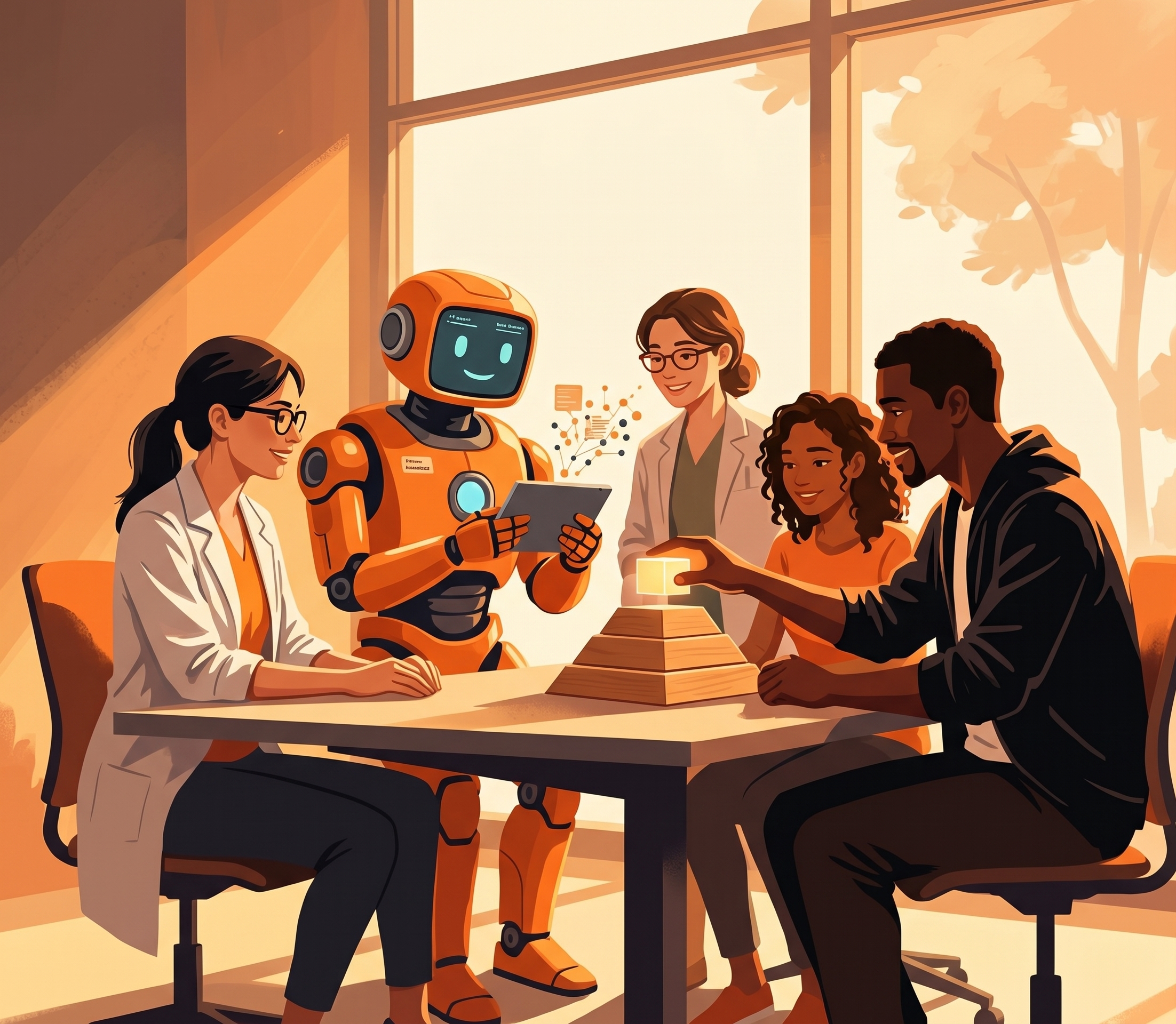
This is where AI-powered instructional coaching tools might offer a bridge – not as a replacement for human mentorship, but as a scaffold for teachers who might otherwise have nothing. Let me be clear: AI cannot replace the invaluable guidance of an experienced mentor teacher. A chatbot has never felt the energy of thirty unique personalities filling a classroom, each with their own needs, dynamics, and potential. It can’t truly empathize because it doesn’t know the emotional roller coaster of teaching – the highs when a student finally grasps a difficult concept, or the lows when a lesson falls flat. It can’t offer a perfectly timed hug or joke that makes a rough day manageable.
What AI can provide is a consistent thinking partner for lesson planning, a tool for structured reflection, and a guide toward evidence-based teaching practices. Tools like Edthena and TeachFX are pioneering in this space, offering targeted feedback and coaching that can lead to meaningful improvements in both teacher practice and student outcomes. These platforms can help new teachers analyze their teaching patterns, identify areas for growth, and access strategies backed by research – all without feeling judged or evaluated.
The key is to view AI coaching tools not as a replacement for human mentorship, but as a supplementary support system that can help bridge the gap between our ideals of teacher preparation and the current realities of our education system. When combined with whatever human support is available – whether through formal mentoring programs, professional learning communities, or informal networks – these tools can help create a more comprehensive support system for our newest educators.
As we continue to grapple with teacher shortages and limited resources for mentorship, being creative about how we support our newest teachers can lead to longer careers. Their success isn’t just about their professional fulfillment – it’s about the countless students who will benefit from having a confident, well-supported teacher guiding their learning journey.



Leave a Reply